Understanding depression: what it is, what it isn't, and where to start
It's not what most people think it is.
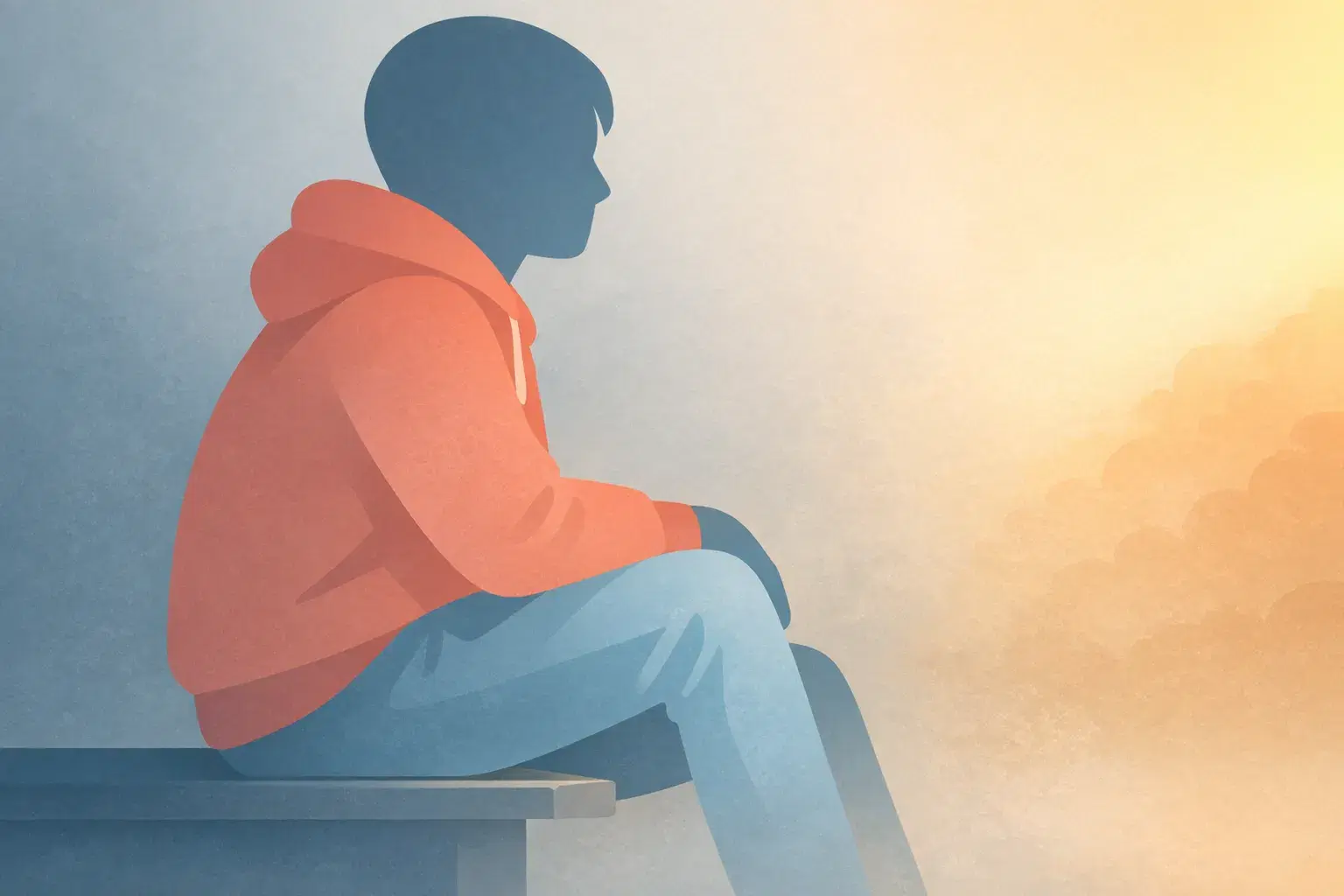
You're not crying. You're not in bed all day. From the outside, you look fine.
But everything takes more effort than it should. Getting up. Getting dressed. Having a conversation. Things that used to matter feel flat. You're going through the motions, waiting for something to click back into place, and it doesn't.
This is what depression looks like for a lot of people. Not a dramatic breakdown, but a slow dimming. And because it doesn't match the version of depression most people picture, it often goes unrecognized for years. The average person waits 6 to 8 years before getting help.[1]
332 million people worldwide live with depression, roughly 1 in 18 adults.[2] And yet nearly 40% of Americans who experience it receive no treatment at all.[3] In developing countries, more than 75% get no help at all.[2]


This article is for anyone who suspects something might be off, or anyone who wants to understand what a friend, partner, or family member is going through.
What depression actually looks like
Depression is more than sadness. For many people, the dominant feeling is nothing at all: numbness, emptiness, a flatness where emotions used to be.[4] Others feel constant irritability, a short fuse that seems to come from nowhere.
The clinical definition requires five or more symptoms lasting at least two weeks,[5] including at least one of these: persistent low mood or a noticeable loss of interest in things you normally enjoy.
But the symptoms people don't expect are often the first ones to show up:
- Exhaustion that sleep doesn't fix. Not sleepy-tired. Bone-deep tired. The kind where taking a shower feels like running a marathon.
- Physical pain. Headaches, back pain, stomach problems. A WHO study across 14 countries found that 69% of people with depression went to their doctor for physical symptoms, not mood symptoms.[6] They didn't even know they were depressed.
- Trouble thinking. Decisions feel impossible. You read the same paragraph three times. People call it "brain fog," and research shows brain fog is part of depression itself, not just a byproduct of poor sleep or medication.
- Changes in appetite and sleep. Eating too much or too little. Sleeping 12 hours or staring at the ceiling at 3am.
The difference between depression and a bad week comes down to three things: how long it lasts (weeks, not days), how many areas of your life it affects (not just one thing), and whether it's getting in the way of functioning normally.
What depression isn't
It's not laziness. Depression causes real, measurable problems with planning, starting, and finishing tasks.[7] Telling someone with depression to "just try harder" is like telling someone with a broken leg to walk it off.
It's not always visible. High-functioning depression is real. Some people hold down jobs, maintain relationships, and seem fine while falling apart internally. The effort it takes to keep up appearances is itself exhausting.
It's not just a "chemical imbalance." You've probably heard that depression is caused by low serotonin. Researchers pulled together decades of studies in 2022 and couldn't find consistent evidence for this idea.[8] That doesn't mean antidepressants don't work (they do, for many people). It means the biology is more complicated than a simple imbalance,[9], involving inflammation, stress hormones, and changes in how brain cells connect and grow.
It doesn't need a reason. Some depression follows a clear trigger: a loss, a breakup, a job change. But some arrives without an obvious cause. Depression can come from biology and genetics alone.[10] You don't need to justify it.
In men, it often looks like anger. Men with depression are more likely to show irritability, aggression, risk-taking, and substance use than sadness and crying.[11] Standard screening tools miss roughly 1 in 4 depressed men because they don't ask about these symptoms.[12] Men who show these outward symptoms are also much more likely to have a suicide plan, which makes recognition critical.
What actually helps
There's no single fix, but several things have strong evidence behind them. Most work best in combination.


Based on research effect sizes, scaled to 1-10 for readability. CBT leads, but every option on this chart is backed by hundreds of studies.
Therapy
CBT (cognitive behavioral therapy) is the most studied treatment for depression. Across 409 trials and over 52,000 people, it consistently helped people get better compared to no treatment.[13] It's as effective as medication in the short term and more effective long-term because it teaches skills that prevent relapse.
Behavioral activation[14] (doing things even when you don't feel like it) is a simpler approach: scheduling small, meaningful activities and noticing how they affect your mood. In one major trial, it worked as well as antidepressants for severe depression. If full CBT feels like a lot, behavioral activation is a good place to start.
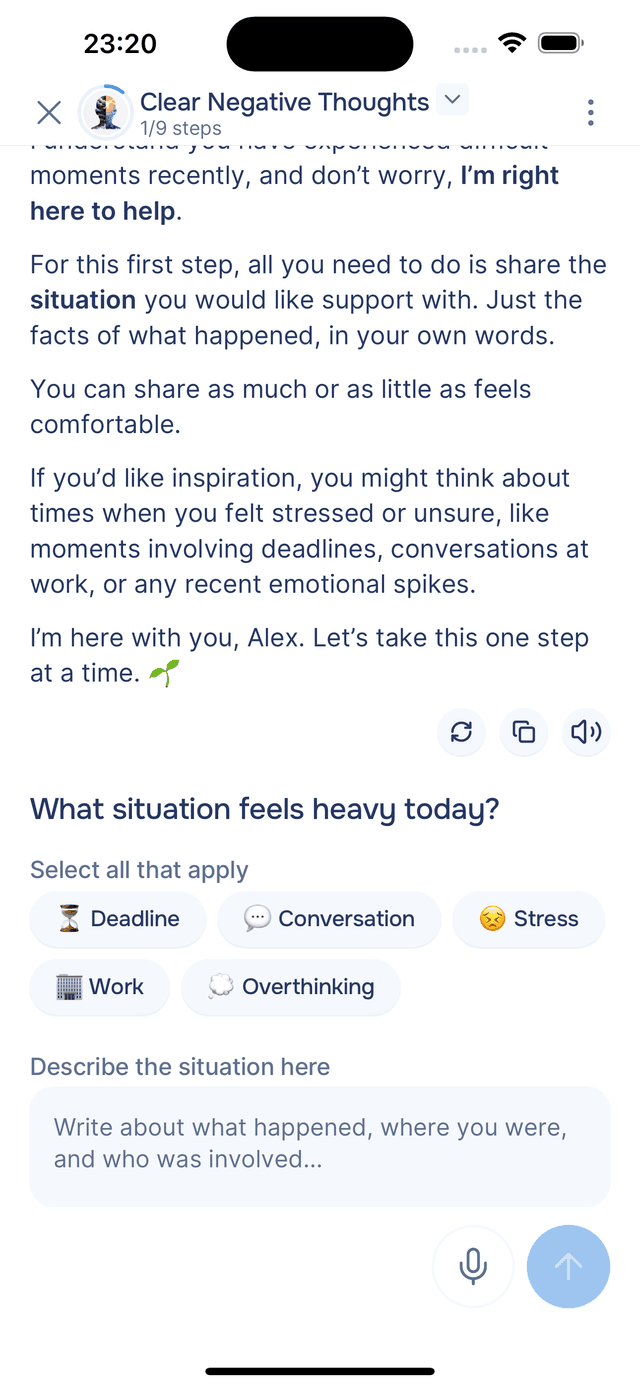
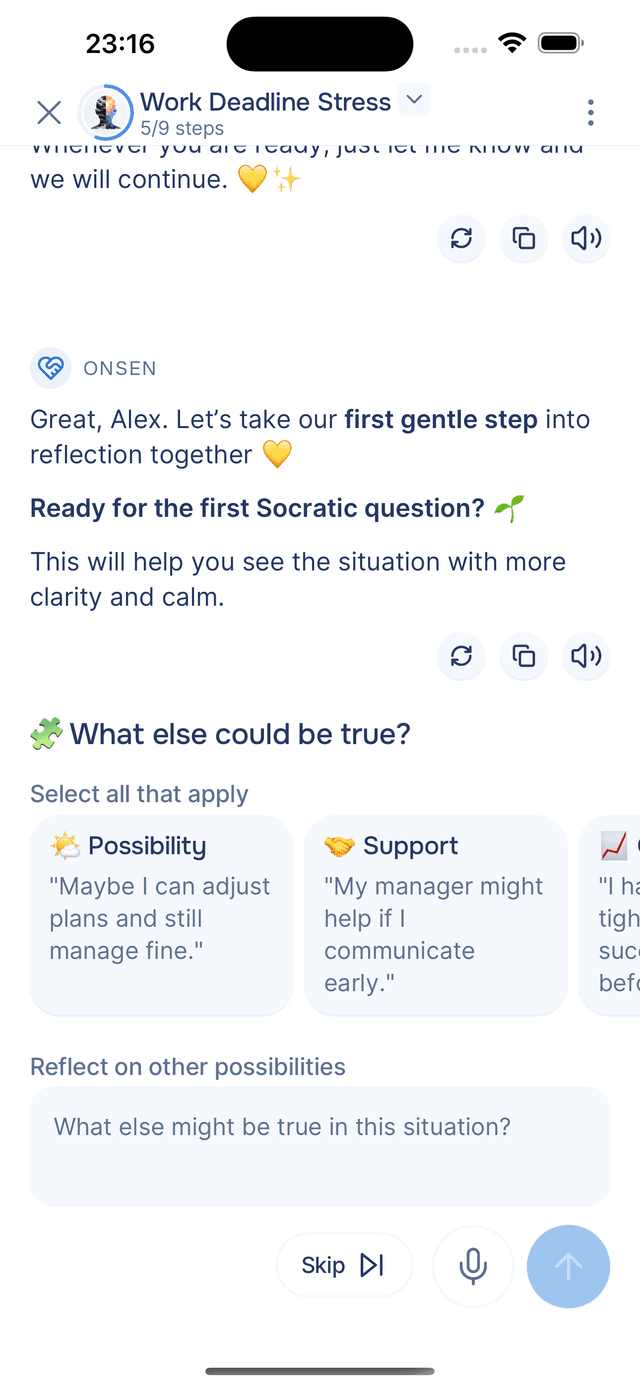
If you want to try CBT on your own, Onsen's Clear Negative Thoughts exercise walks you through the process step by step: identifying the situation, naming your emotions, catching the automatic thought, examining the evidence, and reframing with self-compassion. It takes about 10 to 20 minutes.
Exercise
Physical activity reliably helps with depression, backed by more than 1,000 studies.[15] Larger benefits come from higher-intensity exercise and from people who are already diagnosed. But even walking helps. You don't need a gym membership or a training plan. The goal isn't fitness. It's movement.
Medication
Antidepressants make the biggest difference for severe depression.[16] For milder cases, the gap between medication and placebo is small. Combined with therapy, medication works better than either alone.[17] If your doctor suggests medication, it's worth considering, especially if therapy alone isn't enough. And despite what you might have heard, antidepressants don't change your personality.[18] Most people say they just feel like themselves again.
Journaling
Writing about your thoughts and feelings can improve how you feel,[19] though the research on depression specifically is less clear-cut. Where it helps most is in processing what you're going through, putting shapeless dread into words. Onsen's guided journaling makes this easier by asking you questions rather than leaving you with a blank page.
Social connection
People with strong social relationships have a 50% higher chance of survival across all causes of death.[20] The effect is comparable to quitting smoking. Depression makes you want to withdraw, which makes the depression worse. Even small connections help: a text, a walk with someone, a five-minute phone call.
Digital mental health tools
Mental health apps do help with depression, confirmed across 176 studies.[21] AI chatbots show even stronger results for younger people.[22] These aren't replacements for therapy, but for the millions of people who aren't getting any help at all, they're a meaningful first step.
Where to start
If you recognize yourself in this article, here are some concrete next steps:
Talk to someone. A GP, a therapist, a trusted friend. You don't need to have it figured out first. "I think something might be off" is enough.
Start small. One walk. One journal entry. One conversation. Depression makes everything feel enormous, so pick the smallest thing you can manage today.
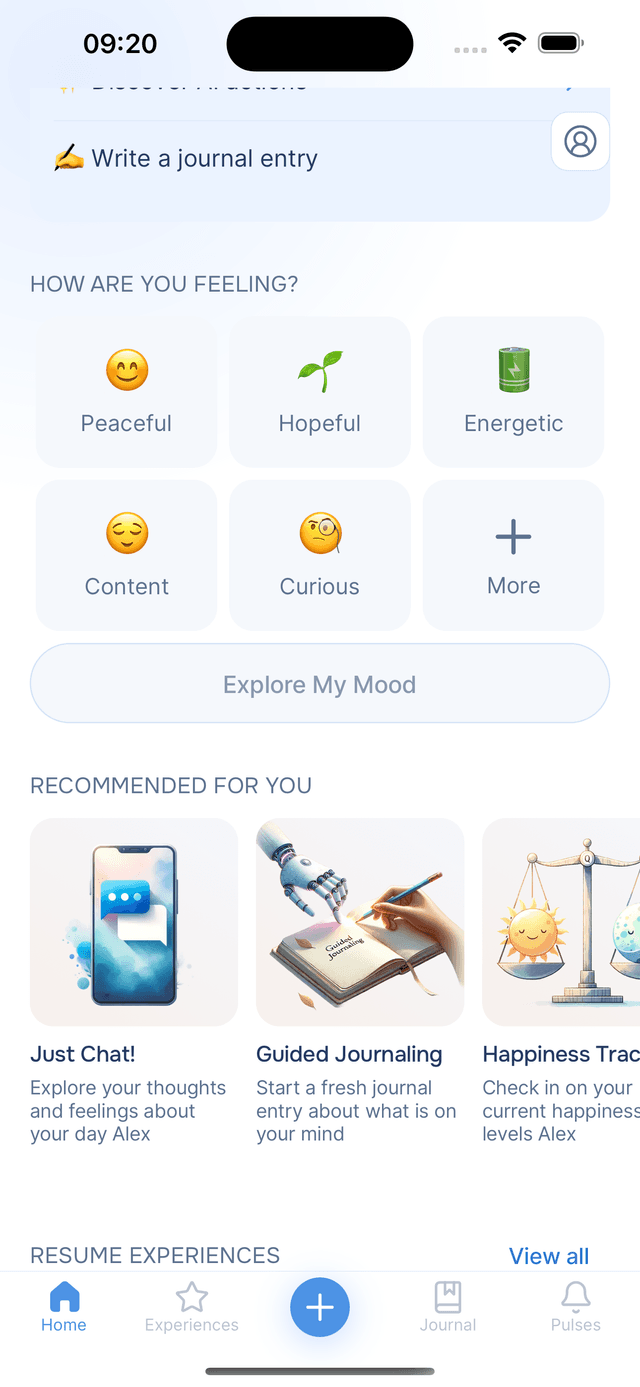
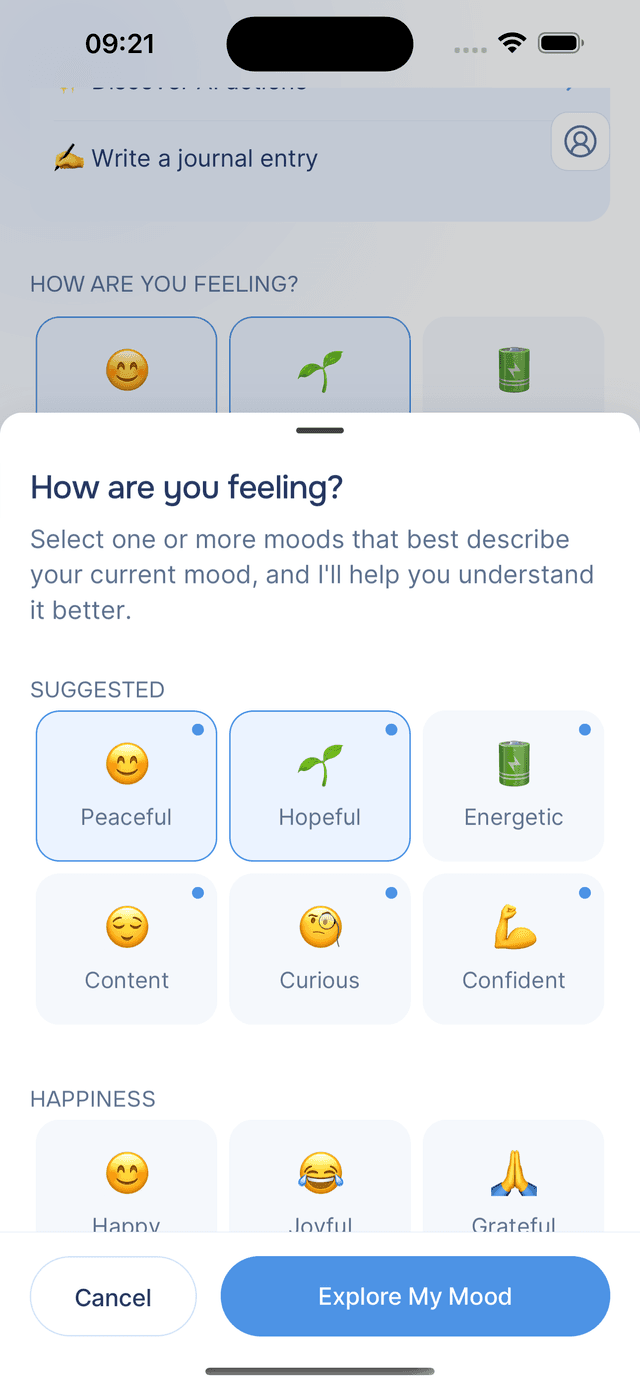
Track how you're feeling. Noticing patterns is the first step toward changing them. Onsen's Mood Check-In takes about 30 seconds and helps you see how your mood shifts over days and weeks.
Try talking it out. Sometimes you need to process what's going on but don't know where to start. Onsen's Just Chat lets you talk through what's on your mind at any time, day or night. It's not therapy, but it's a way to get your thoughts out of your head and into words.
If you're curious whether these tools actually make a difference, we published 18 months of outcome data from our own users, including what worked, what didn't, and where the evidence is thin.
When to get help now
If you're having thoughts of suicide or self-harm, please reach out today. You don't need to be "bad enough." You don't need to wait.
How Onsen can help
Onsen is a free AI companion for mental health. It's not a therapist, but it can help on the days between sessions, or when sessions aren't an option.
On bad days, sometimes you just need to get thoughts out of your head. Just Chat lets you do that anytime, day or night. If depression is feeding you the same negative loops, Clear Negative Thoughts walks you through breaking them. And Mood Check-In helps you notice when things are shifting, for better or worse. Everything works with voice if typing feels like too much.
We published 18 months of outcome data from our own users, and the people who engaged regularly saw the most improvement.
You don't have to understand it to start
Depression is common. It's treatable. And it's not your fault.
You don't need to fully understand what's happening before you take a step. You don't need a perfect plan. Pick one thing from this article, anything, and try it today. That's enough.
If you want to learn more about specific approaches mentioned here:
- What is CBT and how can an app help?
- How to reframe negative thoughts (with examples)
- Can AI replace therapy?
- Mental health support when you can't afford therapy
Sources
- 1.
- 2.
- 3.
- 4.
- 5.
- 6.
- 7.
- 8.
- 9.
- 10.
- 11.
- 12.
- 13.
- 14.
- 15.
- 16.
- 17.
- 18.
- 19.
- 20.
- 21.
- 22.