The science of gratitude: what works, what doesn't, and how to practice it
Hint: it's not about listing three things before bed.

"Just be grateful." You've heard it a hundred times. Maybe you've tried the classic exercise: write down three things you're grateful for before bed. It works for a few days, then it starts to feel like homework.
You're not doing it wrong. Research shows[5] that repeating the same gratitude exercise too often actually stops working. People who practiced three times a week saw no benefit at all, while once a week worked well. The practice gets stale.
But gratitude itself? That works. Hundreds of studies[7] across nearly 25,000 people confirm it. People who practice gratitude sleep better, feel more connected, and report higher life satisfaction. The question isn't whether gratitude helps. It's how to practice it in a way that actually sticks.
The gratitude letter
Of all the ways researchers have tested gratitude, one stands out.
In 2005, psychologist Martin Seligman tested five different happiness exercises[2] head-to-head. Writing a letter of gratitude to someone you've never properly thanked produced the largest immediate happiness boost of any exercise in the study.
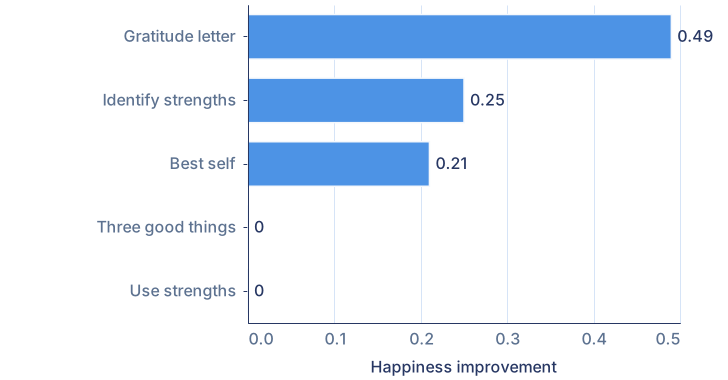
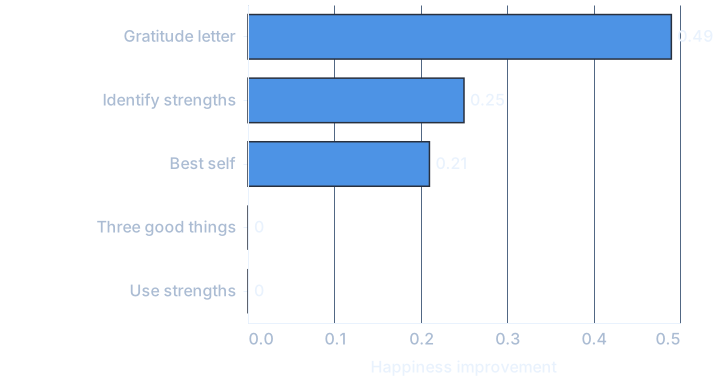
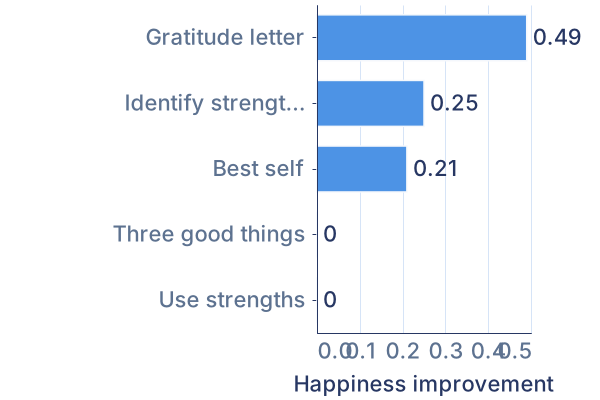
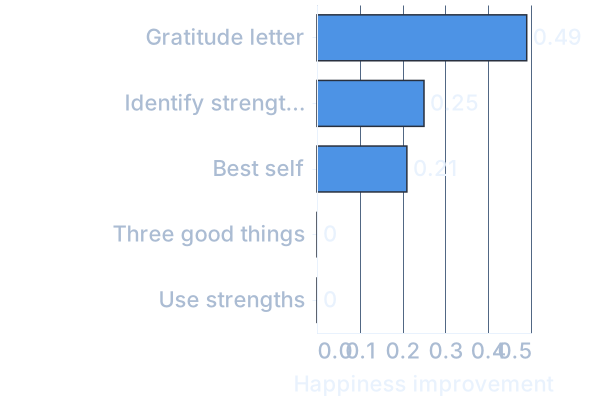
The gratitude letter nearly doubled the next best result. "List three good things" and "use your strengths in a new way" showed no immediate change, though interestingly both paid off months later for people who kept doing them.
And the effect builds. In another study[3b], people who wrote three gratitude letters over three weeks saw improvements across the board, while the control group stayed flat:
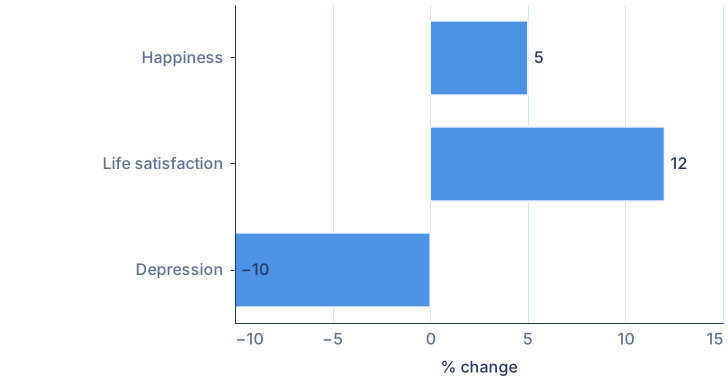
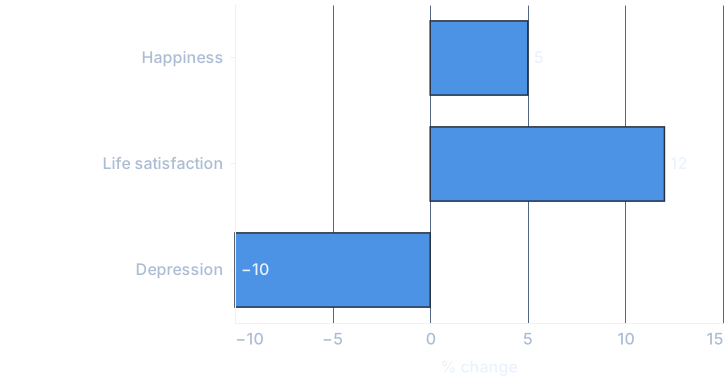
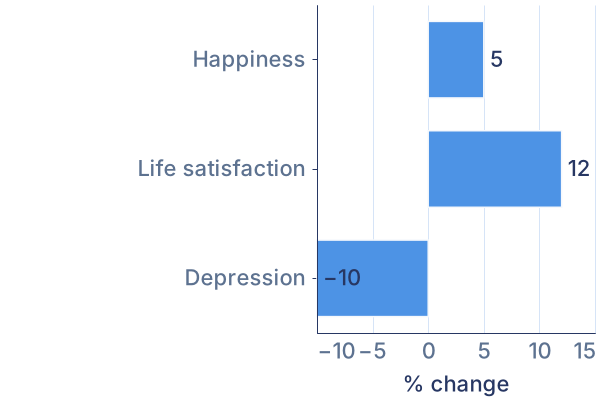
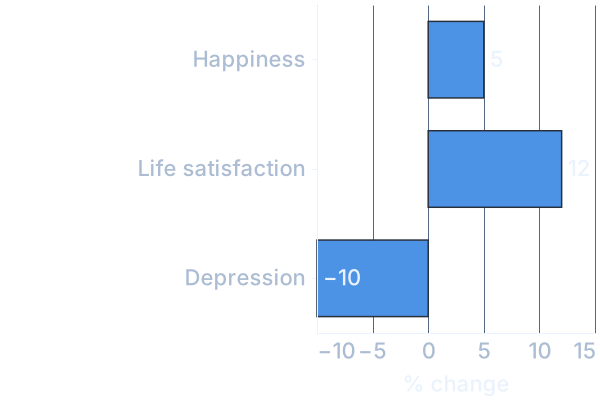
Happiness went up, life satisfaction jumped, and depression dropped. The way it works is interesting: people didn't start using more positive language. They started using fewer negative words[3]. Gratitude seems to quiet the harsh inner voice rather than just paste positivity on top.
You don't have to send the letter[3]. Most participants in the studies never did, and they still benefited. The act of writing it is what matters.
(Though if you do send it, people consistently overestimate[4] how awkward it will be. The person receiving it just feels the warmth.)
Why gratitude works better when it's personal
Not all gratitude is equal. Being grateful for nice weather is fine, but it doesn't do much for your mental health. Gratitude directed at specific people is fundamentally different[6].
Psychologist Sara Algoe calls it "find, remind, and bind." Gratitude helps you notice good people in your life, reminds you not to take them for granted, and strengthens the bond between you. [Studies of couples][6b] found that expressing gratitude predicted better relationship satisfaction the next day, for both people. And [those effects lasted months][6c].
The takeaway: the most powerful gratitude isn't "I'm grateful for my health." It's "I'm grateful for the way my friend showed up when I was struggling last month." Specific people, specific moments.
Onsen's Gratitude Letter
This is why we built the Gratitude Letter experience in Onsen. It takes the most effective form of gratitude practice from the research and makes it easy to do.
Here's how it works:
1. Choose someone to thank. Onsen suggests five people based on your journal history. A parent, a friend, a partner, a mentor. You can also pick your own, or even write to yourself.
2. Explore what you're grateful for. The AI walks you through five categories: emotional support, shared memories, kindness, personal growth, and more. It asks follow-up questions that help you go deeper than "thanks for being there."
3. The AI writes the letter in your voice. Based on everything you shared, it drafts a warm, personal letter that sounds like you. You can edit it before saving.
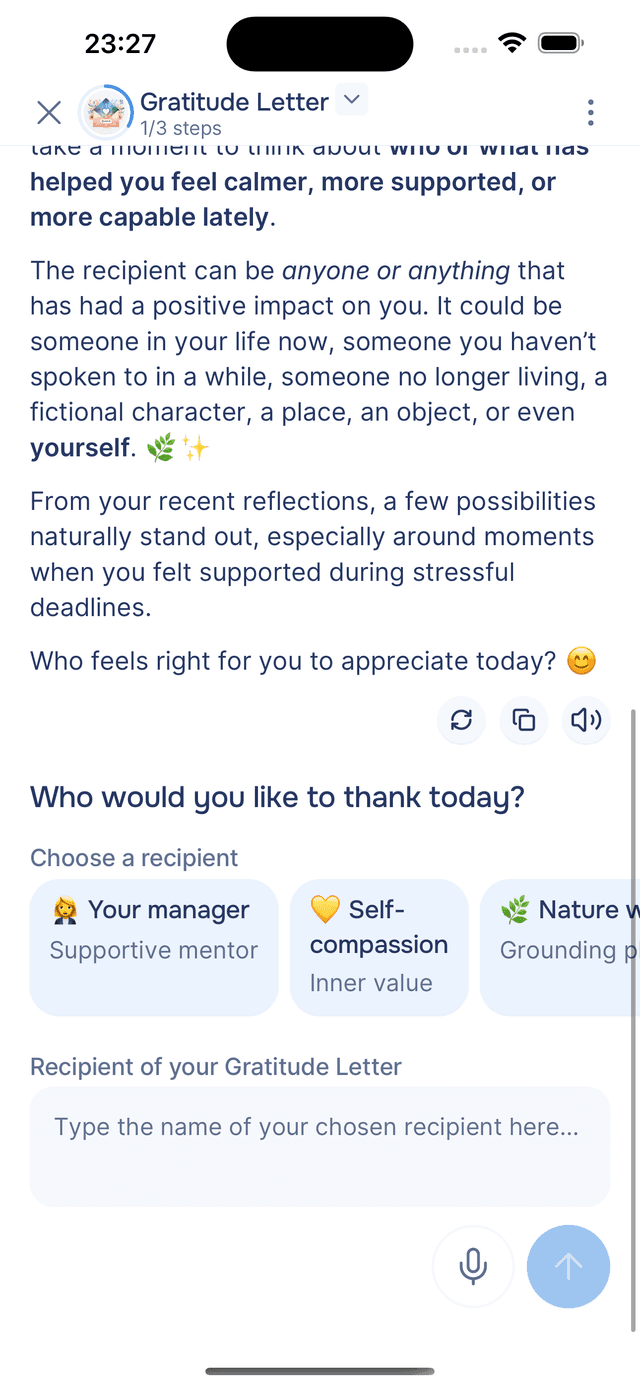
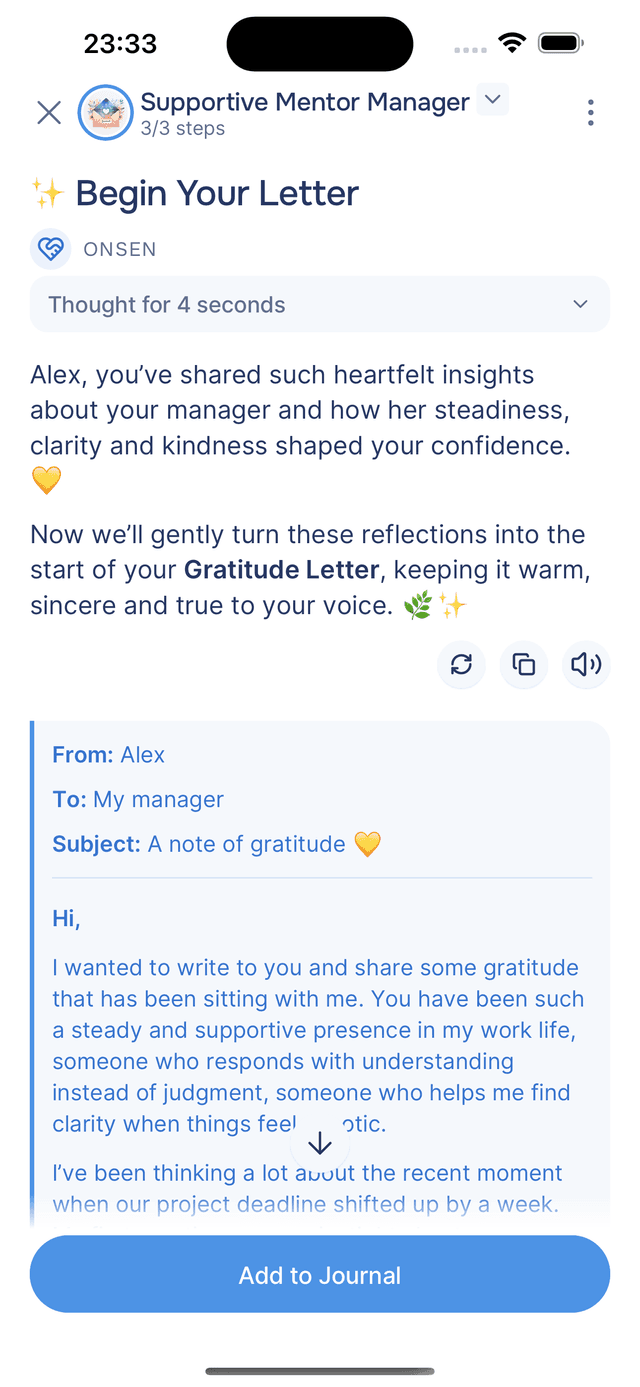
The whole thing takes 5-10 minutes. The letter saves to your journal automatically. You don't have to send it, though you can if you want to.
You can come back and write to someone different each time. A different person, a different memory. That variety is exactly what the research says keeps gratitude effective long-term.
Beyond the letter
Onsen has two more gratitude experiences that pair well with the letter:
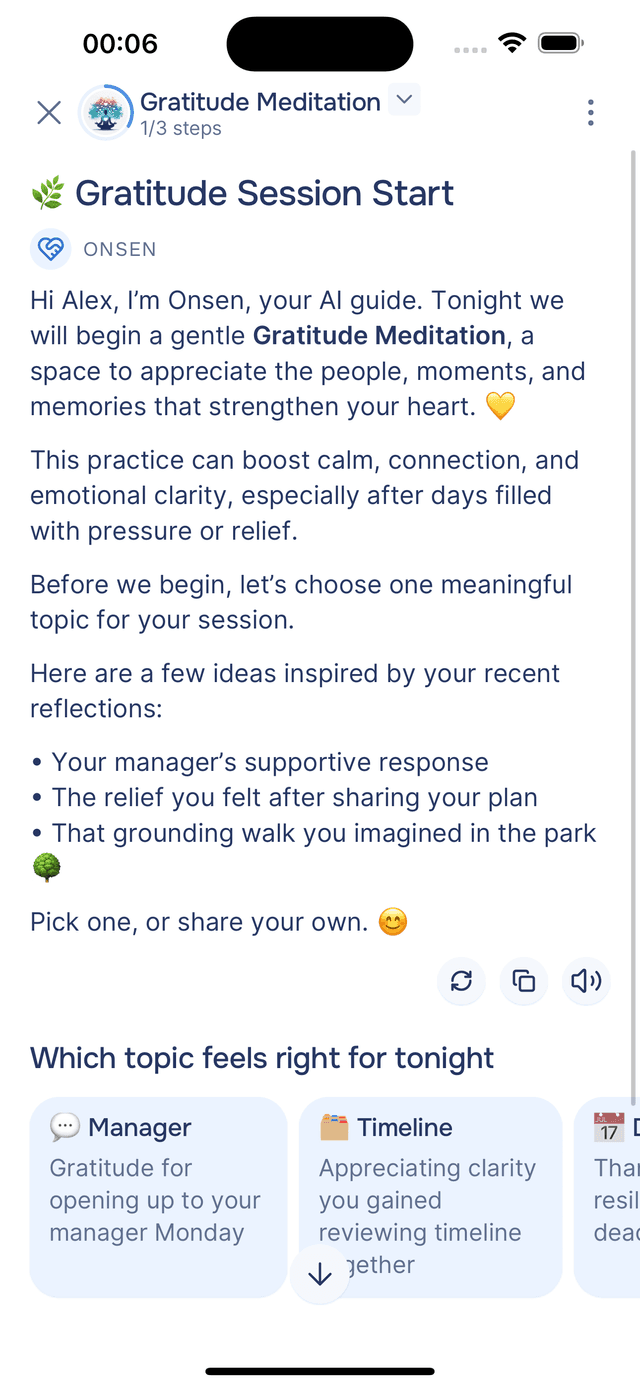
Gratitude Meditation is a guided visualization with breathwork. You choose a person or memory, close your eyes, and the AI walks you through it. It's hands-free: just listen.
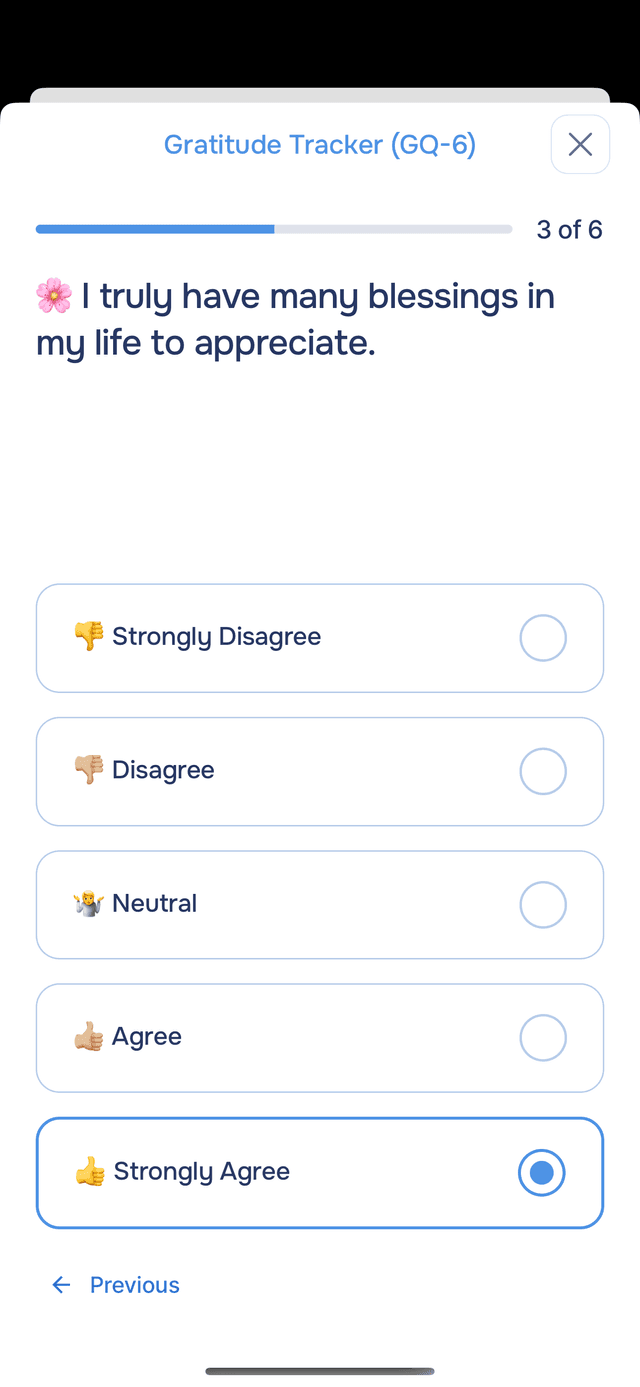
Gratitude Tracker is a validated questionnaire that measures your natural tendency toward gratitude. Take it regularly to see if your practice is actually shifting your baseline. In our own data, users who kept tracking saw their gratitude scores rise by 19% over six check-ins.
Tips for making it stick
- Once a week is enough. More often can backfire[5]. Make it something you look forward to, not a chore.
- Write to people, not about things. Gratitude directed at someone specific is more powerful than gratitude about circumstances.
- Go deep on one thing. One heartfelt letter beats five items on a list.
- Don't force it on bad days. Gratitude isn't about ignoring difficulty. If today is terrible, skip it.
- Vary who you write to. Same person every time leads to the same diminishing returns as listing the same three things.
Try the Gratitude Letter in Onsen. Five minutes, one person, one letter. You might be surprised how it feels to put gratitude into words for someone who matters to you.
Sources
- 1.
- 2.Seligman et al. (2005). “Positive psychology progress: empirical validation of interventions.” [PubMed ]
- 3.Wong et al. (2018). “Does gratitude writing improve mental health of psychotherapy clients?.” [DOI ]
- 4.Kumar & Epley (2018). “Undervaluing gratitude: expressers misunderstand the consequences.” [PubMed ]
- 5.Lyubomirsky, Sheldon & Schkade (2005). “Pursuing happiness: the architecture of sustainable change.” [DOI ]
- 6.Algoe (2012). “Find, remind, and bind: the functions of gratitude in everyday relationships.” [DOI ]
- 7.